




How to test the functionality of an LCR meter?
 Jun 19, 2025|
 As an LCR meter supplier, I understand the importance of ensuring the functionality of these devices. An LCR meter, which measures inductance (L), capacitance (C), and resistance (R), is a crucial tool in the electronics industry. In this blog, I'll share some effective ways to test the functionality of an LCR meter to guarantee its accuracy and reliability.
Understanding the Basics of LCR Measurement
Before diving into the testing procedures, it's essential to have a solid understanding of what LCR meters measure. Inductance is a property of an electrical conductor that opposes a change in the electric current flowing through it. Capacitance is the ability of a component to store an electric charge. Resistance is the opposition to the flow of electric current. LCR meters use various techniques to measure these parameters, such as applying an AC signal to the component under test and measuring the resulting current and voltage.
Initial Visual Inspection
The first step in testing an LCR meter is a visual inspection. Check the meter for any physical damage, such as cracks on the display, loose connections, or damaged probes. A damaged meter may not function correctly and could give inaccurate readings. Inspect the probes for bent or broken tips, as this can affect the contact with the component being measured. Make sure all the controls, buttons, and switches are in good working condition and move smoothly.
Calibration Check
Calibration is a critical aspect of ensuring the accuracy of an LCR meter. Most LCR meters come with a calibration procedure in the user manual. To perform a basic calibration check, use a known standard component. For example, a precision resistor with a known resistance value can be used to check the resistance measurement function of the meter. Connect the standard resistor to the meter using the appropriate probes and set the meter to measure resistance. Compare the reading on the meter with the known value of the resistor. If the difference is within the specified accuracy range of the meter, the resistance measurement function is likely working correctly. Repeat this process for inductance and capacitance measurements using appropriate standard components.
Frequency Response Test
LCR meters are designed to measure components at different frequencies. To test the frequency response of the meter, measure a component at various frequencies within the meter's specified frequency range. For instance, you can use a capacitor and measure its capacitance at low, medium, and high frequencies. The measured capacitance value should remain relatively stable within the tolerance range of the capacitor, regardless of the frequency. If the readings vary significantly outside the expected range, it could indicate a problem with the meter's frequency response.
Measuring Different Component Types
Test the meter's ability to measure different types of components, including resistors, capacitors, and inductors. Use a variety of components with different values and characteristics. For resistors, test both low - value and high - value resistors. Capacitors can be tested in different dielectric materials, such as ceramic, electrolytic, and film capacitors. Inductors can include air - core and iron - core inductors. Each type of component has its own unique electrical properties, and the meter should be able to accurately measure them.
Comparing with a Reference Meter
If possible, compare the readings of the LCR meter being tested with a reference meter that is known to be accurate. Connect the same component to both meters simultaneously and measure the L, C, or R values. Compare the readings from the two meters. Any significant differences could indicate a problem with the meter being tested. However, it's important to note that even reference meters have some degree of uncertainty, so the comparison should be made within the context of the accuracy specifications of both meters.
Testing at Different Temperatures
Temperature can affect the performance of LCR meters and the components being measured. To test the meter's performance at different temperatures, use a temperature - controlled environment, such as an oven or a temperature chamber. Measure a component at room temperature, then place the meter and the component in the temperature - controlled environment and measure the component again at a different temperature. The meter should be able to compensate for the temperature changes and provide accurate readings within the specified temperature range.

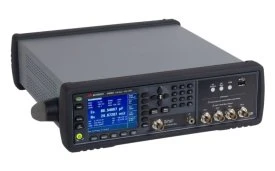
Testing the Meter's Software and Interface
In modern LCR meters, software plays a significant role in the measurement process. Check the meter's software by navigating through the menu options, changing settings, and performing different measurement functions. Make sure the software responds quickly and accurately to your commands. Test the data logging and communication functions if the meter has these features. For example, if the meter can connect to a computer via USB or Ethernet, test the data transfer process to ensure that the measured data can be successfully transferred and displayed on the computer.
Specific Models Testing
Let's take a look at some popular LCR meter models. The E4980A Agilent LCR Meter, 20 Hz - 2 MHz is a high - performance meter. When testing this model, pay attention to its wide frequency range. Use components that can be accurately measured across this frequency span to ensure that the meter can provide consistent and accurate readings. The 4287A Agilent LCR Meter, 1 MHz - 3 GHz is designed for high - frequency measurements. Test its performance at high frequencies using appropriate high - frequency components. The E4980AL Agilent Precision LCR Meter 20 Hz To 300 KHz / 500 KHz / 1 MHz offers precision measurements in its specified frequency range. Check its precision by using high - precision standard components and comparing the readings with the known values.
Conclusion
Testing the functionality of an LCR meter is a multi - step process that requires attention to detail and the use of appropriate testing equipment and procedures. By performing a visual inspection, calibration check, frequency response test, and other tests as described above, you can ensure that the LCR meter is working correctly and providing accurate measurements. If you encounter any problems during the testing process, refer to the user manual or contact the manufacturer's technical support.
As an LCR meter supplier, we are committed to providing high - quality products and ensuring that our customers get the most accurate and reliable measurement results. If you are interested in purchasing an LCR meter or have any questions about testing and using LCR meters, please feel free to contact us for further discussion and procurement negotiation.
References
- Agilent Technologies. (20XX). LCR Meter User Manuals.
- IEEE Standards for Electrical and Electronic Measurements.