




What is the impact of pattern on language transfer?
 Jan 08, 2026|
 Hey there! I'm working as a Pattern supplier, and today I wanna talk about what the impact of pattern on language transfer is. It's a super interesting topic that combines the technical side of patterns with the complex nature of language learning and transfer.
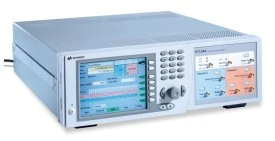
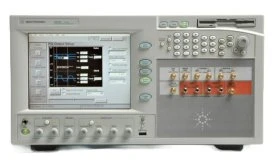
Let's first figure out what we mean by "pattern" and "language transfer." Patterns are basically recurring structures, sequences, or designs that we can observe in different things. In the context of my work as a Pattern supplier, I deal with patterns in signal - generating equipment, like the 8114A Agilent Pulse Generator, High Power, 100V, 2A, 81134A Agilent Pulse Pattern Generator, Dual Ch., 3.35 GHz, and 81142A Agilent Serial Pulse Data Generator, 13.5GHz. These patterns are crucial for proper functioning of the equipment, as they determine how signals are sent and received.
On the other hand, language transfer is the influence that a learner's native language has on the acquisition of a second language. It can be positive, where the similarities between the native and target language help in learning, or negative, when differences cause difficulties.
So, how do patterns impact language transfer? Well, one way is through cognitive processes. Our brains are wired to recognize and work with patterns. When we learn a new language, we look for familiar patterns from our native language. For example, if a language has a similar sentence structure pattern to the learner's native language, it's easier for them to pick up.
Think about it like this - when you're using a 8114A Agilent Pulse Generator, you need to understand the pattern of how it generates pulses. If you've worked with similar equipment before, you can transfer that knowledge, right? The same goes for language. If you've learned a pattern for creating questions in your native language, and the second language has a similar pattern, you can transfer that knowledge to form questions in the new language faster.
Another aspect is the role of frequency and salience of patterns. In language learning, frequently occurring patterns are more likely to be transferred. Just like in signal - generating equipment, patterns that are used more often in a specific task are the ones we focus on. For instance, in English, the subject - verb - object (SVO) pattern is very common. If a learner's native language also has an SVO pattern, they'll find it easier to understand and produce sentences in English.
But it's not always smooth sailing. Sometimes, patterns can cause negative language transfer. When the patterns in the native language and the target language are different, learners may make mistakes. It's like trying to use a pattern from a 81134A Agilent Pulse Pattern Generator in a piece of equipment that requires a completely different pattern. Learners might rely too much on their native - language patterns and end up with incorrect grammar or usage in the second language.
Let's take a look at some cultural patterns and how they tie into language transfer. Cultural patterns influence the way we think and communicate. In some cultures, communication is more indirect, while in others, it's more direct. These cultural patterns are reflected in language. When a learner from an indirect - communication culture tries to learn a language from a direct - communication culture, the language transfer process can be tricky.
Patterns also affect language learning strategies. Learners tend to use strategies based on the patterns they're familiar with. For example, if a learner is used to rote - learning vocabulary in their native language by memorizing word lists, they might try to do the same in the second language. However, this strategy might not be the most effective in all languages.
In the field of language teaching, understanding the impact of pattern on language transfer is crucial. Teachers can identify the patterns in a learner's native language and use that knowledge to facilitate the learning process. They can also help learners recognize and overcome negative transfer caused by conflicting patterns.
I've seen in my work as a Pattern supplier that proper understanding of patterns can make a huge difference. When customers know the patterns of the 81142A Agilent Serial Pulse Data Generator, they can use it more effectively. Similarly, in language learning, awareness of patterns can lead to better language acquisition.
Let's talk about how to leverage the positive impact of patterns on language transfer. One way is through explicit instruction. Teachers can point out the similarities and differences in patterns between the native and target language. This helps learners use positive transfer and avoid negative transfer.
Another approach is through authentic materials. Exposure to real - life examples of language usage shows learners the actual patterns in action. Just like in my work, seeing the patterns in a practical application helps customers understand them better.
Also, making learners aware of cultural patterns is important. By understanding the cultural context behind language patterns, they can communicate more effectively in the second language.
In conclusion, the impact of pattern on language transfer is multi - faceted. It can either facilitate or hinder the process of learning a new language. On one hand, similar patterns between languages can speed up learning, while on the other hand, different patterns can cause confusion.
For all of you out there who are in need of high - quality pattern - based signal - generating equipment, whether it's the 8114A Agilent Pulse Generator, 81134A Agilent Pulse Pattern Generator, or 81142A Agilent Serial Pulse Data Generator, I'm here to assist. If you're interested in purchasing these products or want to have a detailed discussion about how they can fit your needs, don't hesitate to reach out for a procurement negotiation.
References
- Ellis, R. (1994). The Study of Second Language Acquisition. Oxford University Press.
- Odlin, T. (1989). Language Transfer: Cross - linguistic Influence in Language Learning. Cambridge University Press.