




What is the relationship between logic and perception?
 Jan 06, 2026|
 Logic and perception are two fundamental aspects of how we interact with and understand the world around us. As a Logic supplier, I've spent a lot of time thinking about how these two concepts are related and how they impact our daily lives and business decisions.
Let's start by breaking down what logic and perception mean. Logic is all about reasoning, making sense of things based on facts, rules, and evidence. It's like following a set of instructions to solve a puzzle. When we use logic, we're trying to be objective, to look at the situation from a neutral standpoint and come up with a solution that makes the most sense. For example, in the world of electronics, where I operate as a supplier, logic is used to design and test circuits. Engineers use logical principles to ensure that a device functions correctly, that the signals are processed in the right order, and that the output is accurate.
On the other hand, perception is how we experience the world through our senses. It's subjective, influenced by our past experiences, emotions, and biases. Our perception can color how we see a situation, making it seem better or worse than it actually is. For instance, when a customer looks at one of our logic analyzers, their perception of it might be affected by how it looks, how easy it is to handle, or even the brand reputation. If they've had a great experience with our products in the past, they're more likely to perceive a new analyzer positively, even before they've tested it.
So, what's the relationship between these two? Well, they're intertwined in many ways. Our perception can influence our logical thinking. If we have a strong emotional attachment to a particular idea or product, it can cloud our judgment and make it harder to think logically. For example, a customer might have a perception that a well - known brand is always better. This perception can lead them to choose a more expensive logic analyzer from that brand, even if a less - known but equally capable product from our range would be a better fit for their needs based on a logical analysis of features and price.
Conversely, logic can also shape our perception. When we use logical reasoning to evaluate a product, we can change our initial perception. Let's say a customer initially perceives one of our logic analyzers as too complex because it has a lot of features. But after a logical analysis of how those features can actually make their work more efficient and accurate, their perception might change, and they might see it as a valuable investment.
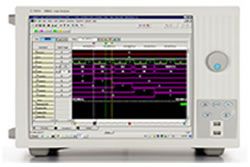
In the context of my business as a Logic supplier, understanding this relationship is crucial. We offer a range of high - quality logic analyzers, such as the 16851A Agilent 34 - Channel Portable Logic Analyzer With 2.5 GHz Timing in Deep Memory. This analyzer is a great example of how logic and perception come into play. From a logical perspective, its 34 - channel design and 2.5 GHz timing in deep memory make it suitable for a wide range of applications, including high - speed digital circuit testing. But for a customer, their initial perception might be based on its size, the display, or the ease of connecting it to their existing setup.
Another product in our lineup is the 16804A Agilent 136 - Channel Portable Logic Analyzer. With its large number of channels, it's a powerful tool for complex digital systems. However, a customer might be initially put off by the idea of handling such a high - channel device, thinking it will be difficult to manage. But through logical explanations of how the channels can be grouped and configured, we can change their perception and show them the real value of this analyzer.
The 1680AD Agilent Standalone Logic Analyzer is also an interesting case. Its standalone nature means it can be used independently, without the need for a complex setup. A customer's perception might be that it's less powerful because it's not connected to a larger system. But logically, its self - contained design can offer more flexibility and ease of use in certain scenarios.
In marketing our products, we need to balance both logic and perception. We use logical arguments, such as technical specifications, performance benchmarks, and cost - effectiveness, to appeal to the rational side of our customers. At the same time, we also work on shaping their perception through good design, user - friendly interfaces, and positive customer testimonials.
For example, we might create a demonstration video that shows how easy it is to use one of our logic analyzers. This not only provides logical evidence of its functionality but also creates a positive perception in the minds of the viewers. We also offer free trials so that customers can experience the product firsthand, allowing their perception to be based on real - world use rather than just preconceived notions.
In the long run, building a good relationship with our customers requires us to understand how they perceive our products and to use logic to address any concerns or misconceptions. By doing so, we can ensure that they make informed decisions that are based on both their perception and logical reasoning.
If you're in the market for a logic analyzer and want to learn more about how our products can meet your needs, we're here to help. Whether you're a small - scale hobbyist or a large - scale industrial user, our team of experts can provide you with the logical analysis you need to make the right choice. Don't let your initial perception hold you back from exploring the full potential of our high - quality logic analyzers. Reach out to us to start a discussion about your requirements and how we can assist you in your procurement process.
References

- Goldstein, E. B. (2010). Sensation and Perception. Wadsworth Cengage Learning.
- Baronett, S. (2018). Logic. Oxford University Press.